



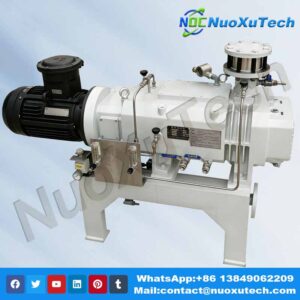

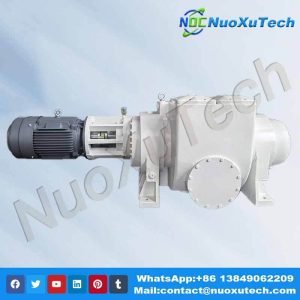
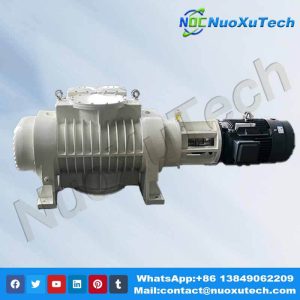
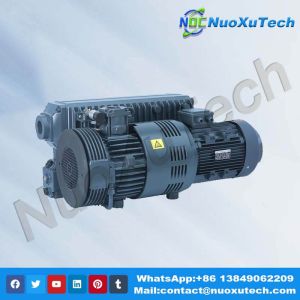

When it comes to mechanical power transmission, two popular options are Belt Drive vs Direct Drive. Both have unique advantages and are suited for specific applications. Understanding the differences between Belt Drive vs Direct Drive can help you select the right system for your needs.
Belt Drive vs Direct Drive: A Comprehensive Comparison
What is a Belt Drive?
A belt drive uses a belt (typically made of rubber or synthetic material) looped around pulleys to transmit power from a motor to a driven component, such as a pump or fan. It is a flexible transmission system that allows for slight misalignment and shock absorption.

Advantages:
- Smooth Operation: Belt drives are known for their ability to minimize vibrations and noise as the belt absorbs shocks during transmission.
- Cost-Effective: Manufacturing and replacement costs are generally lower compared to direct drives.
- Adjustable Speed: Changing the belt size allows easy adjustments to the transmission ratio, making it versatile for different speed requirements.
- Easy Maintenance: Belt drives do not require lubrication, making them simpler to maintain.
Disadvantages:
- Lower Efficiency: Belt drives have higher energy losses, with efficiency typically below 90%, especially in high-power or high-speed applications.
- Limited Load Capacity: Belt drives are better suited for low-power, low-speed systems due to their lower load-bearing capacity.
- Shorter Lifespan: Belts are subject to wear and tear, requiring regular replacement.
- Space Requirements: Belt drive systems often need more space for installation, as they require room for the belt and pulleys.
What is a Direct Drive?
A direct drive system connects the motor directly to the driven equipment—without belts, gears, or pulleys. This design allows for high efficiency and precise control, especially in applications requiring consistent performance.

Advantages:
- High Efficiency: Direct drives are highly efficient, with energy efficiency often exceeding 95%, making them ideal for high-power and high-speed applications.
- High Precision: Direct drives offer accurate speed control and stability, ensuring precise operations.
- Compact Design: Direct drive systems are more compact, as they eliminate the need for additional components like belts and pulleys.
- High Load Capacity: Direct drives can handle significant axial and radial loads, making them perfect for heavy-duty applications.
- Low Maintenance: With fewer moving parts, direct drive systems generally require less maintenance.
Disadvantages:
- Higher Initial Cost: The initial investment for direct drive systems is higher due to the precision engineering involved.
- Noise Levels: Direct drive systems may produce more noise during operation, often requiring soundproofing measures.
- Complex Maintenance: While less frequent, maintenance can be more complex, involving lubrication and inspections.
- Limited Speed Adjustability: Direct drive systems have fixed ratios, making speed adjustments more challenging once the system is installed.

Which One Should You Choose?
- Choose belt drive if:
- Cost is a major factor.
- The system must accommodate shock loads or misalignment.
- You need flexibility in motor positioning.
- Choose direct drive if:
- You require maximum efficiency and reliability.
- The system operates continuously under steady load.
- You’re designing for long-term, low-maintenance operation.
Choosing between Belt Drive vs Direct Drive depends on your specific requirements. Belt drives are ideal for applications that prioritize cost and ease of maintenance, while direct drives are perfect for high-efficiency, high-precision needs. Understanding these differences helps ensure that you select the best solution for your mechanical power transmission needs.
Vacuum Pumps and Power Transmission Systems by NuoXuTech

At NuoXuTech, we manufacture and export a wide range of vacuum pumps, valves, and related systems—both belt-driven and direct-driven—designed for industrial performance and global standards. Whether you require flexibility or long-term precision, our engineering team can help you select the ideal power transmission system for your application.
Contact Us
For more information about Belt Drive vs Direct Drive: A Comprehensive Comparison, contact Nuoxutech at contact@nuoxutech.com or visit our Blogger nuoxutech.blogspot.com, You can also reach us on WhatsApp at +86 13849062209, Our team is ready to provide you with professional service and support.
Keywords
vacuum pump, vacuum system, nuoxutech, Belt Drive vs Direct Drive, transmission systems, power transmission, mechanical drive systems, Power Transmission Drive Types, Belt Drive vs Direct Drive Comparison, Difference between belt drive and direct drive for industrial machinery, Which is better for your application: belt or direct drive?